
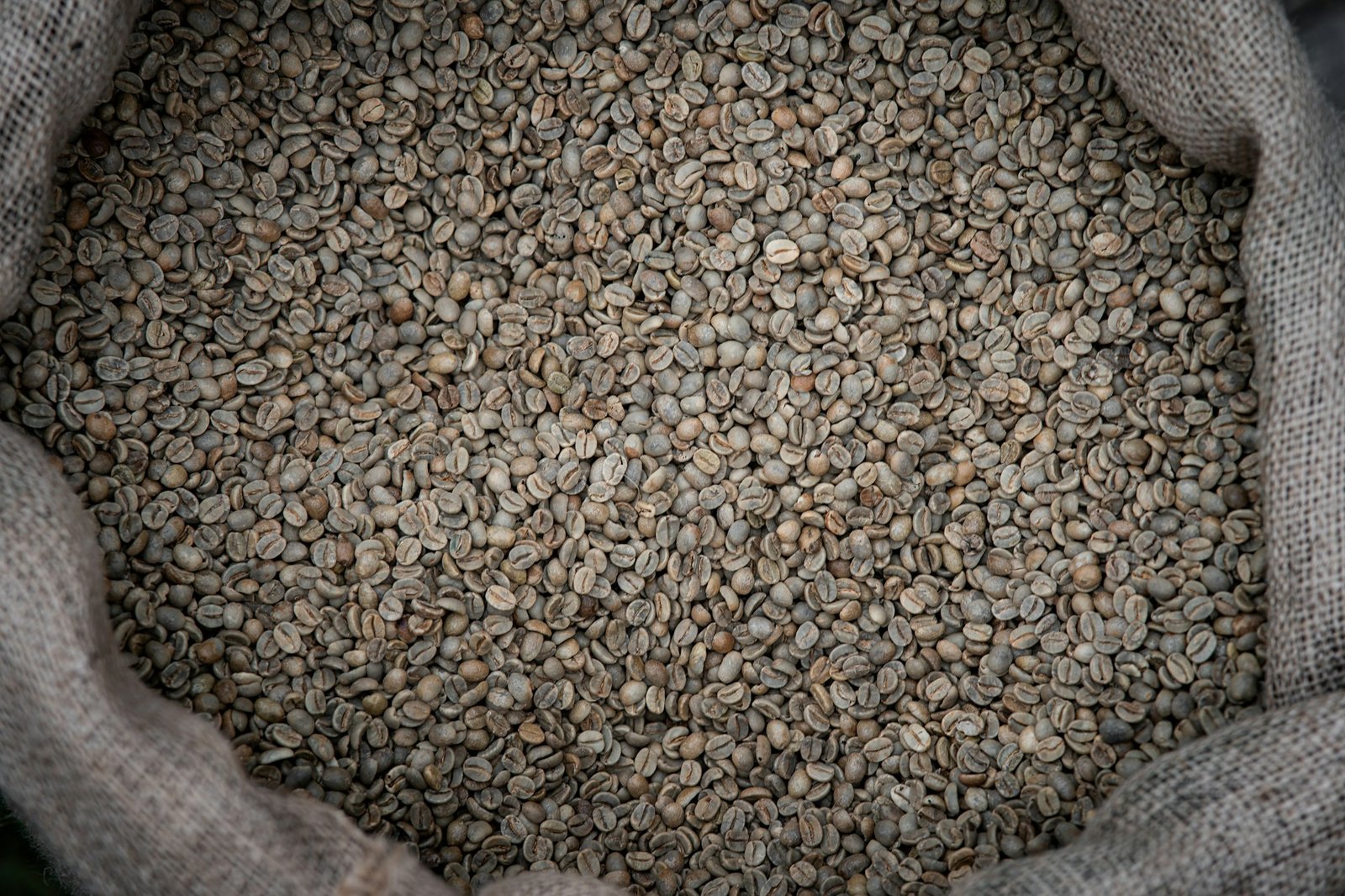
Shipping green coffee beans from Indonesia is where a lot that passed the laboratory can still arrive out of specification. The beans leave a warm, humid coast, cross weeks of sea with day–night temperature swings, and wait in yards and warehouses at both ends. This guide is for importers, roasters, wholesalers and food manufacturers in Japan, China, Singapore, the UAE and Saudi Arabia who have chosen their beans and now need them to land the way they were sold.
CV Sekawan Cipta Dinar exports from Waru, Sidoarjo, East Java, close to Tanjung Perak in Surabaya. The documents, Incoterms and destination rules are in our guide on how to import coffee beans from Indonesia. The origin, grade and screen sizes are in our Java coffee beans guide, and the choice between the two species is in Java Robusta vs Arabica. This page stays on the journey: moisture, packing, the container and storage after arrival.
Shipping Green Coffee Beans at a Glance
| Item | What we state | What to confirm in the quotation |
|---|---|---|
| Product | Java Robusta or Java Arabica green beans, Grade A, sorted following SNI | Species, screen size in millimetres and processing method of the lot |
| Moisture at dispatch | Dried to 11–12%, maximum 12% | The measuring method shown on the laboratory analysis |
| MOQ | 19 tonnes, one 20-ft container | Loaded weight for the pack you choose |
| Packing options | Vacuum packs, bulk, aluminium foil, kraft and PP bags | Pack type, bag weight and any inner liner |
| Port of loading | Tanjung Perak, Surabaya | Incoterm: FOB Surabaya, CFR or CIF your port |
| HS subheading | 0901.11 (not roasted, not decaffeinated) | National digits, with your customs broker |
Why Moisture Is the Number That Travels
Green coffee is a living, hygroscopic product. It takes up water from humid air and gives it back when the air is drier. The figure on the laboratory analysis is a snapshot taken before the container is stuffed, not a promise that the beans cannot change afterwards.
That is why our drying target of 11–12%, with a maximum of 12%, sits inside the 12.5% ceiling of SNI 2907:2008. The margin matters on the voyage. Beans that leave close to the ceiling have less room before mould, a musty smell or a faded colour becomes a claim. Beans that are over-dried lose weight and can lose cup quality as well, so the aim is a stable window rather than the lowest possible number.
Two practical points follow for the contract:
- Name the method. A moisture result is only comparable when both sides use the same method. Ask that the method appears on the laboratory analysis, and use the same method on arrival.
- Agree where moisture is measured. A result at dispatch and a result at your warehouse are two different facts. Write which one decides a dispute.
Choosing the Pack
The industry reference pack for green coffee is the 60 kg jute bag. At our 19-tonne minimum, that is about 317 bags, which usually means floor-loading rather than pallets, or a bulk liner instead of bags. We offer the packs below. Each one changes the loaded weight, the handling at your end and how well the beans are shielded from moisture and odours.
| Pack | When buyers usually ask for it | What to agree |
|---|---|---|
| Bulk (container liner) | Large roasters and soluble plants with bulk intake | Liner type, discharge method at your plant |
| PP bags | Bagged handling at a standard warehouse | Bag weight, stitching, stacking height |
| Kraft bags | Smaller units and cleaner handling | Bag weight and whether an inner liner is used |
| Vacuum or aluminium foil packs | Buyers who want a barrier against moisture and odours, often for higher-value lots | Pack size, outer carton or bag, and how packs are stowed |
There is no single best pack. Tell us how the coffee will be unloaded and how long it will sit before roasting, and the quotation can match the pack to that.
Container Rain and How to Reduce It
“Container rain” is condensation inside a closed box. Air in the container carries moisture from the cargo. When the steel walls and roof cool, at night or in colder waters, that moisture condenses and drips back onto the top tiers of bags. The result is wet patches, caked beans and mould that the lab report never saw.
The usual protections are simple, and none of them replaces correct drying:
- A clean, dry, odour-free container. Check for holes, damp floors and smells from earlier cargo before stuffing begins.
- Lining the walls and roof with kraft paper or similar material, and floor cardboard so bags do not touch bare steel.
- Desiccants hung along the walls to take up moisture from the air.
- Hermetic inner liners or barrier packs for lots that must arrive with the tightest moisture window.
- Stuffing in dry conditions, with beans that have cooled after drying, not beans still warm from the dryer.
Ask which of these will be used for your container, and put the agreed protections in the quotation.
Keep Green Coffee Away from Aromatic Cargo
Green coffee picks up odours easily. A container that carried spices, chemicals or fish, or a warehouse bay next to them, can leave a taint that shows up only in the cup. If you also buy our Lalpari cloves, treat the two as separate bookings by default. Sealed packs and physical separation are the minimum if you want them discussed together, and many buyers prefer separate containers. The same applies in your own warehouse after arrival.
What to Check When the Container Arrives
Under FOB, CFR and CIF, risk passes to you once the goods are on board at Surabaya. That makes the arrival check your record of what the voyage did to the coffee.
- Photograph the seal and the doors before opening, then the first view inside.
- Look at the top tiers and the roof lining for drip marks, damp patches or caked bags.
- Smell the air and the bags. A musty or foreign smell is a reason to separate those bags at once.
- Draw a sample as the contract says, and measure moisture with the same method as the laboratory analysis.
- Match the lot marks on the bags to the packing list and the laboratory analysis.
Keep the sealed reference sample from the pre-shipment stage. Together with the laboratory analysis and the arrival photographs, it is what settles a quality question.
Storing Green Coffee After Arrival
Green coffee often waits weeks or months before roasting, and the warehouse can undo a good shipment.
- Store bags on pallets, off the floor and away from outer walls.
- Keep the store cool, dry and ventilated, out of direct sun and away from roof heat.
- Keep coffee away from spices, detergents, fuel and other strong-smelling goods.
- Use the oldest lot first, and re-check moisture on lots that wait a long time.
- Reseal opened barrier packs, or move part-used lots to a sealed container.
Request a Quote
Send the species, the screen in millimetres, the quantity, the pack you prefer, the Incoterm, the destination port, and how long the coffee will be stored before roasting. We will reply with a quotation that states the grade, the size, the pack, the loaded weight and the documents.
- Quote form: sekawanciptadinar.id/#order
- WhatsApp: +62 852-3001-7377
- Email: inquiry@sekawanciptadinar.id
Check the published figures on our coffee product listing before you send the inquiry, so the request matches the beans we actually ship.
Frequently Asked Questions
What moisture should green coffee have when it ships?
Our Java Robusta and Java Arabica are dried to 11–12%, with a maximum of 12%. SNI 2907:2008 allows up to 12.5%. Ask that the measuring method appears on the laboratory analysis.
How many bags fit in one 20-ft container?
Our minimum order is 19 tonnes, one 20-ft container. In 60 kg bags that is about 317 bags, usually floor-loaded, or the coffee can travel in a bulk liner. The loaded weight depends on the pack and is confirmed in the quotation.
What is container rain?
Condensation inside a closed container. Moisture in the air condenses on the cooler roof and walls and drips onto the cargo. Correct drying, wall and floor lining, desiccants and barrier packs all reduce the risk.
Which pack protects green coffee best?
Vacuum and aluminium foil packs give the strongest barrier against moisture and odours. Bulk liners, PP bags and kraft bags suit other handling needs. The right choice depends on how the coffee is unloaded and how long it is stored.
Can green coffee ship with cloves or other spices?
Discuss it before booking. Green coffee absorbs odours, so separate containers are the safer default. Sealed packs and physical separation are the minimum if the two are combined.